

Last Updated: November 20, 2026
Quick Summary
Ethical accessories like Amadou hats and caps keep you cool in direct sun and comfortable in a light breeze because the fungal material is lightweight and breathable, while the brim provides the shade. Amadou is made from the spongy inner layer of the Fomes fomentarius bracket fungus, with air pockets that let it breathe. Choose a style by activity: a big rim hat for long sun, a bucket hat for travel, or a docker cap for everyday wear.
- Amadou is a light, porous material made from the spongy inner layer of the Fomes fomentarius fungus.
- The wide brim provides most of the shade, while the material mainly avoids adding heat of its own.
- The material offers less wind resistance, so on cold, gusty days you will want a layer underneath.
- Ask for fiber content, weave density, and any testing standard before trusting a brand's breathability claim.
- Cost per wear matters: a $220.00 hat worn 100 times costs about $2.20 per wear.
Table of Contents
- Why Ethical Accessories Need to Handle Sun and Breeze
- How Amadou Fomes Fomentarius Material Works in Sun and Breeze
- Lightweight Summer Hats Compared: Big Rim, Bucket, Baseball and Docker
- Eco-Friendly Handbags and the Case for Vegan Accessories
- Verifying Ethical Sourcing and Sustainability Claims
- Durability, Cost per Wear and End-of-Life Considerations
- Choosing the Right Amadou Piece for Your Next Trip
- Frequently Asked Questions
Why Ethical Accessories Need to Handle Sun and Breeze
Ethical accessories are only useful if they work in real conditions, and summer is where most of them fail. At Amadou, we make hats, caps and bags from Fomes fomentarius, a bracket fungus that has been shaped into wearable materials for generations. We think a sustainable accessory should also keep you comfortable when the sun is high and the air is still.
The search for ethical accessories for hot weather is growing. Interest now covers cooling scarves and bandanas, wide-brimmed hats and ethically made spring pieces, according to a 2025 roundup from Long Beach Breeze hot-weather accessories coverage. Those roundups focus on style and cooling, but they rarely explain whether a material is ethically sourced or how it performs in sun and wind.
That gap is what this guide covers. We look at how the material handles sun and breeze, compare our hat styles, and show how to check sourcing and sustainability claims for yourself.
How Amadou Fomes Fomentarius Material Works in Sun and Breeze
Amadou is a light, soft, porous material prepared from the trama of the Fomes fomentarius fungus. The trama is the spongy inner layer of the fruiting body, and it is made of densely interwoven hyphae, microscopic fungal threads, that create millions of tiny air pockets.
In the sun. The material is light, which matters because a heavy hat traps heat at the crown. The wide brim does most of the work against direct sun, and the material's job is to avoid adding heat of its own.
In the breeze. The trade-off is that a very open weave offers less wind resistance, so on a cold, gusty day the material alone will not keep you warm, you want the linen-lined docker cap or a layer underneath.
Moisture. Amadou is naturally absorbent, a feature listed for the material. Learn how to test wicking claims before you buy, see whether a mushroom hat really wicks moisture.
Material-by-Material Performance Comparison
Most roundups tell you a material is "breathable" and stop there. The useful question is how a fiber performs across five dimensions at once: breathability, warmth when the breeze picks up, drying time, durability, and care. The table below compares amadou against the materials buyers most often weigh it against. Figures are qualitative and based on how each material is commonly described; they are not lab results for our products.
| Material | Breathability in sun | Warmth in breeze | Drying time | Durability | Care |
|---|---|---|---|---|---|
| Amadou (Fomes fomentarius) | High, open, air-pocket structure | Moderate, blocks some heat loss but not windproof | Moderate, absorbent, air-dries | Moderate, softens with wear, dislikes standing water | Spot clean, air dry, store dry |
| Merino wool felt | Moderate, dense fibers hold heat | High, insulates when damp | Slow, holds moisture | High, resilient but can pill | Brush, air, occasional professional clean |
| Cotton canvas | Moderate, tight weave blocks airflow | Low, little insulation | Slow, soaks and stays damp | High, abrasion resistant | Machine wash, air dry |
| Recycled polyester | Low to moderate, depends on weave | Low, no loft unless fleece | Fast, sheds water | High, resists abrasion | Machine wash, quick dry |
| Straw / paper braid | High, open weave | Low, no insulation | Fast, dries quickly | Low to moderate, cracks if crushed | Reshape damp, avoid crushing |
That middle position is exactly what the keyword asks for: a material that keeps you cool in the sun and cozy in the breeze without forcing you to choose one accessory for each condition.
Watch out: "breathable" on a product page is a marketing word, not a measurement. Ask for the fiber content, the weave or felt density, and whether the item has been tested to any standard. If a seller cannot answer those three questions, the breathability claim is a guess.
Lightweight Summer Hats Compared: Big Rim, Bucket, Baseball and Docker
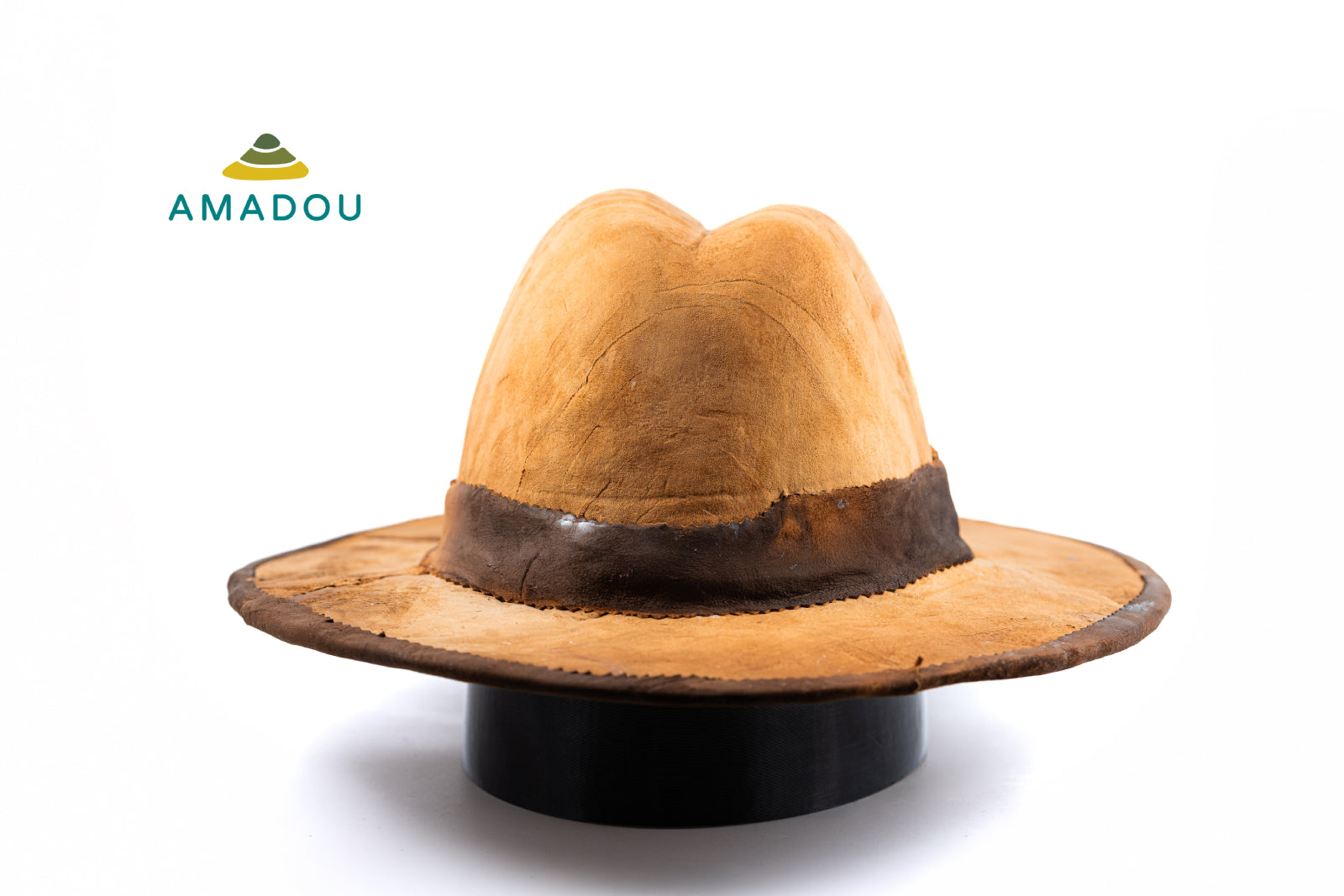
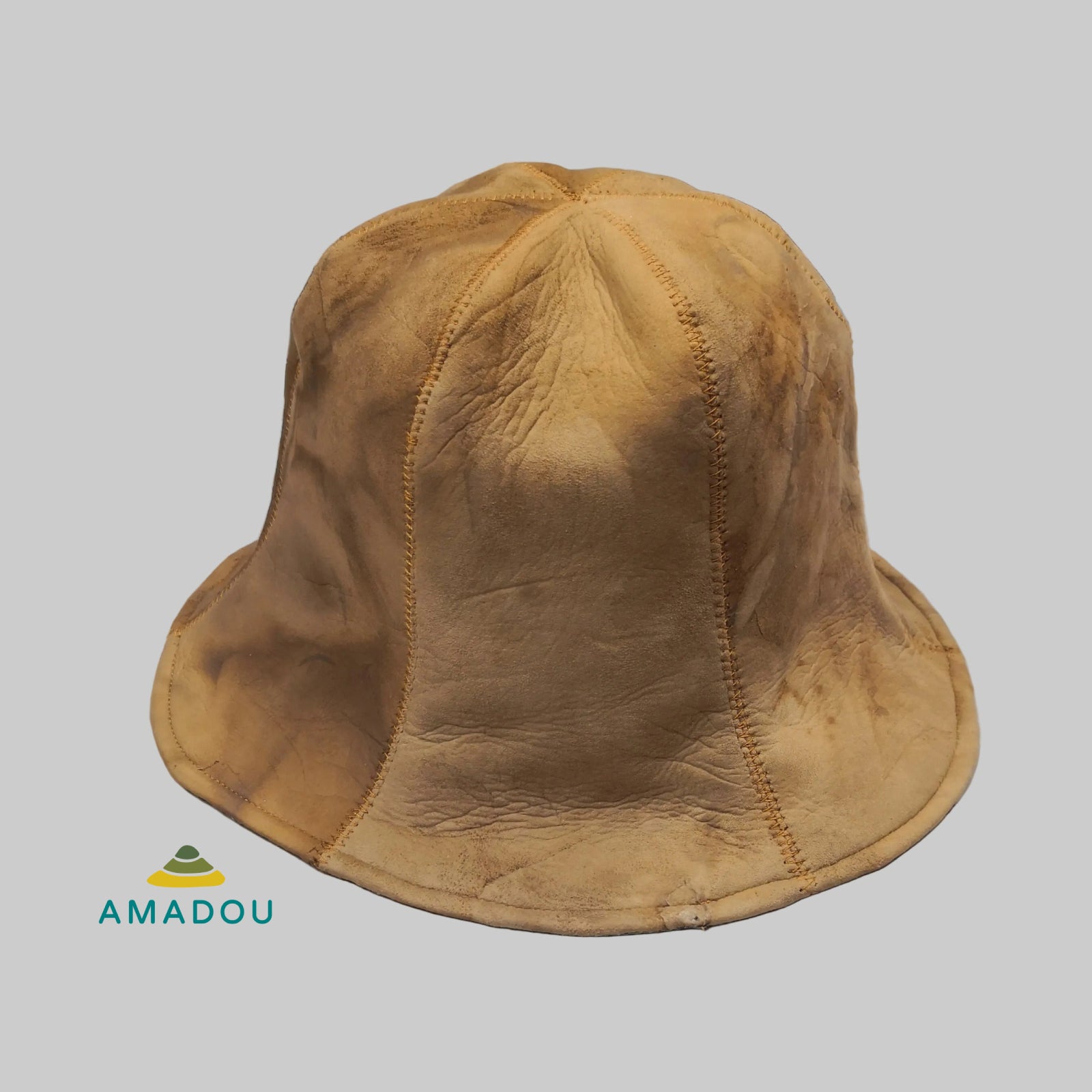
We make four hat styles, and each suits a different day. The big rim heritage hat gives the most shade for beach walks and open trails. View the big rim heritage hat to see its shape and fit. The bucket hat suits travel. Explore the bucket hat option and how it packs for a trip. The baseball cap suits active days when you want a shaded brim without a wide silhouette. The docker cap is lined with soft linen.
Comparison Table: Price, Shape and Best Use
| Style | Starting Price | Shape | Best Use | Pros | Cons |
|---|---|---|---|---|---|
| Big rim heritage hat | $220.00 | Wide brim | Beach and open trails | Maximum shade, breathable | Takes up more packing space |
| Bucket hat | $220.00 | Downturned brim | Travel and city walks | Packs flat, covers ears and neck | Less shade at high noon |
| Baseball cap | $175.00 | Peaked brim | Active days | Lightest price point, shaded brim | Little neck coverage |
| Docker cap | $199.00 | Structured crown | Everyday wear | Linen lining, adjustable fit | Not a full sun hat |
Starting Price
Big rim heritage hat ($220.00). Best for anyone who spends long hours outdoors. Skip it if you need to pack light for a carry-on.
Bucket hat ($220.00). Best for travelers who want one hat for everything. Skip it if you need deep shade for hours in direct sun.
Amadou baseball cap ($175.00). Best for runners and active people who want a shaded brim. Skip it if your priority is neck and ear coverage.
Amadou docker cap ($199.00). Best for daily wear in mixed weather. Skip it if you need a full sun hat for a desert trip.
Eco-Friendly Handbags and the Case for Vegan Accessories
Many buyers searching for eco-friendly handbags want a vegan option that does not feel like plastic. Amadou accessories are plant-based and do not use animal leather. They suit people who want a vegan alternative to leather and felt without giving up a tactile, natural finish.
Vegan accessories are not automatically more sustainable, so ask what the material is made from and how it was harvested. We explain our sourcing in the next section so you can judge the claims yourself.
Verifying Ethical Sourcing and Sustainability Claims
Ethical sourcing claims are easy to make and hard to check, so here is how we would approach them as a buyer. The goal is not to demand a perfect supply chain, almost no accessory has one, but to sort claims you can verify from claims you cannot, and to know which is which before you pay.
First, ask where and how the material was harvested. Each piece is hand-shaped, so no two items match exactly.
Second, ask for specifics on labor and fair pay. When you evaluate any brand, look for the names of the standards it claims to meet rather than the adjectives it uses. A brand that names a standard and can show a certificate number is giving you something to check; a brand that says "ethically made" with no standard is not.
Third, check independent sources. Our research did not yield a verified study on the environmental footprint of amadou compared with leather, so we avoid making that comparison here. Learn practical tests to tell authentic mushroom leather from synthetic imitations. The Federal Trade Commission Green Guides on environmental marketing claims are a useful reference for judging whether any eco claim is substantiated.
A Greenwashing Checklist You Can Use in the Store
Run any accessory through these five checks before you trust the label.
- Specific over vague. "Made with 60% recycled polyester" is checkable; "eco-friendly" is not. Vague terms are the most common warning sign.
- Certification with a number. A logo without a certificate number or a searchable database entry is decoration. Look the number up on the certifier's site.
- Traceability to a place. "Sourced responsibly" tells you nothing. A named region, a named workshop, or a named supplier gives you something to verify.
- One claim, not five. A product that claims to be vegan, carbon-neutral, plastic-free, and biodegradable at once is usually strongest on the first claim and weakest on the rest. Ask which one is independently verified.
- End-of-life honesty. "Compostable" and "biodegradable" are not the same, and neither is true in a landfill. Ask where the item is meant to break down and whether that route exists where you live.
Vegan Is Not Automatically Ethical
Many buyers searching for eco-friendly handbags want a vegan option that does not feel like plastic. Amadou accessories are plant-based and do not use animal leather, and they suit people who want a vegan alternative to leather and felt without giving up a tactile, natural finish. But vegan accessories are not automatically more sustainable. The material and the lifespan matter more than the vegan label alone, so pair the vegan claim with the durability and end-of-life questions in the next section.
Watch out: a brand that cannot tell you the country of origin, the fiber content, and the name of at least one standard it meets is asking you to take its ethics on faith. That is not a reason to walk away automatically, but it is a reason to ask for more before you spend.
Durability, Cost per Wear and End-of-Life Considerations
Amadou develops character with wear, so keep it dry and avoid storing it damp.
Cost per wear is the practical test. A $220.00 hat worn on 100 outings costs about $2.20 per wear, while a cheap hat replaced every season may cost more over time.
Amadou is plant-based, so check your local municipal guidance on composting before disposing of any accessory. Check your local municipal guidance on composting before disposing of any accessory.
Choosing the Right Amadou Piece for Your Next Trip
Start with the sun. If you will be in direct sun for hours, choose the big rim heritage hat. For travel where packing space matters, the bucket hat folds easily. For active days and a shaded brim without bulk, the baseball cap works well. For everyday wear with a linen lining, the docker cap is the most comfortable choice.
Consider the handbag and accessory options too if you are building a summer wardrobe. Browse the full range and pick the piece that fits your trip. Shop the Amadou collection to find the hat or cap that suits your next outdoor day.
Summer weather exposes the gap between ethical accessories that look good and ones that actually work. Amadou hats are made from plant-based fungal material, shaped by hand and built to age with you. Explore the collection to find the style that fits your next trip, then wear it through the sun and the breeze.
Frequently Asked Questions
How durable is amadou compared with real leather?
Amadou is a velvety, flexible fungal material. Keep it dry and avoid crushing it in luggage. Amadou's listed materials are plant-based and chemical-free, which makes it a different choice from leather rather than a direct replacement for its wear profile.
Why does Amadou cost more than similar mushroom accessories elsewhere?
Amadou's hats and caps are priced between $175.00 and $220.00 each. Each piece is hand-shaped from wild-harvested Fomes fomentarius by artisans in Corund, Transylvania, so no two are identical. Compare the handcrafting and sourcing story against cheaper listings before deciding, and check whether a product listing describes its origin and making process.
Is amadou good for moisture and sweat on the trail?
Amadou is described as breathable and naturally absorbent, which suits sun-and-breeze wear in mild outdoor conditions. It is not a technical performance fabric, so treat it as a lightweight, breathable accessory for day trips and travel rather than high-output activity. The Docker cap's listing mentions an organic, breathable material lined with soft linen.
Do amadou hats pack smaller than felt hats?
Amadou is described as weightless and lightweight, which makes it easier to carry than heavier felt. Packing size depends on the shape, so a flat cap will fold into a bag more easily than a big rim hat. Compare the listed dimensions before buying if packability is a priority.
