

Last Updated: October 25, 2026
Quick Summary
Eco friendly handbags prioritize durability and lifecycle impact over material marketing alone. Mushroom leather and plant-derived vegan options offer sustainable alternatives to traditional leather, with mushroom leather requiring minimal processing and developing natural patina over 8-12+ years of use.
- The sustainable bag market is forecast to grow from $24.35 billion in 2024 to $85.04 billion by 2035 at 12.04% annual growth.
- Mushroom leather is naturally breathable, moisture-wicking, and requires minimal chemical processing compared to other vegan leather alternatives.
- Cost per wear matters more than upfront price: a $169 mushroom leather bag used daily for 10 years costs $0.05 per day.
- Genuine ethical handbags require transparent sourcing, fair labor practices, and verifiable certifications like B Corp or Fair Trade.
- Proper care extends durability significantly; mushroom leather needs only soft cloth cleaning and natural air drying when wet.
Table of Contents
- Why Eco Friendly Handbags Matter: Durability and Lifecycle Impact
- Vegan Leather Handbags: Mushroom-Based vs Plant-Derived Alternatives
- Sustainable Bag Materials: What Actually Works and Lasts
- Ethical Handbags: Verifying Transparency and Labor Practices
- Mushroom Leather Bags: Amadou's Artisan Approach to Sustainable Style
- Comparison: Price, Performance, and Environmental Trade-Offs
- Choosing Your Sustainable Handbag: Care, Longevity, and Cost Per Wear
- Frequently Asked Questions
Why Eco Friendly Handbags Matter: Durability and Lifecycle Impact
The sustainable bag market is forecast to grow from $24.35 billion in 2024 to $85.04 billion by 2035, at a 12.04% compound annual growth rate, according to Market Research Future's sustainable bag forecast. This explosive growth reflects a fundamental shift: consumers now recognize that eco friendly handbags aren't just a fashion statement, they're a response to the environmental cost of traditional manufacturing.
But here's what most guides get wrong about eco friendly handbags. They focus on materials while ignoring the real measure of sustainability: how long the bag lasts. The lifecycle impact, from raw material extraction through disposal, is what actually determines whether a handbag is truly sustainable.
At Amadou, we've spent years examining this tension. A bag's environmental footprint depends not just on what it's made from, but on how many years it serves you. This is why durability matters more than the marketing story behind the material. A responsibly made handbag that develops character as it ages, rather than deteriorating, fundamentally changes the equation.
The real question isn't "Is this material eco-friendly?" It's "Will I still use this bag in five years?" That's the distinction between genuine sustainability and greenwashing.
Vegan Leather Handbags: Mushroom-Based vs Plant-Derived Alternatives
Vegan leather handbags have exploded in variety over the past few years, but not all plant-based alternatives perform equally. The two main categories, mushroom-based materials and plant-derived options like pineapple, cactus, and apple leather, take fundamentally different approaches to solving the same problem: creating a durable, animal-free alternative to traditional leather.
Mushroom leather, derived from the trama of fungi like Fomes Fomentarius, offers a unique advantage: it's naturally breathable and moisture-wicking. This matters if you're carrying a bag through humid climates or using it for travel where sweat and weather exposure are inevitable. The material develops a patina over time.
Plant-derived vegan leathers, pineapple leaf fiber, cactus-based materials, and apple leather, offer their own strengths. Learn about other vegan leather alternatives to compare with mushroom leather options. They tend to be lighter weight and often more affordable at scale.
The critical difference comes down to this: mushroom leather requires minimal processing. You're working with a naturally occurring material that's already structured for durability.
For everyday use, the choice hinges on your climate and how you plan to use the bag.
Sustainable Bag Materials: What Actually Works and Lasts
Not every material marketed as sustainable actually delivers durability. This is where the gap between intention and reality widens.
Recycled polyester is everywhere in sustainable handbag collections. It diverts plastic from landfills, which sounds good.
Organic cotton, another common choice, offers breathability and biodegradability.
Reclaimed and upcycled materials represent a genuinely different category. According to Play It Green's analysis of upcycled fashion, brands like those using reclaimed fire hoses, leather scraps, and coffee sacks intercept material that would otherwise be discarded. The environmental benefit is real: you're preventing waste from entering the system. The trade-off is consistency. Each upcycled handbag is unique, which appeals to some buyers but creates durability questions, you're never quite sure how the original material will age.
Cork and rattan, increasingly popular in sustainable handbag design, offer natural durability. Cork is water-resistant by nature and develops character as it ages. Rattan is lightweight and surprisingly tough. Both materials are renewable if harvested responsibly, and both biodegrade at end-of-life. The limitation is aesthetic: they work for specific styles, not all handbag types.
The material that resists moisture without synthetic coating, develops a natural patina, and requires minimal chemical processing. This matters because the fewer chemicals involved in production, the lower the environmental cost and the fewer toxins in your supply chain.
Ethical Handbags: Verifying Transparency and Labor Practices
Calling a handbag "ethical" means nothing without transparency. Yet most brands making ethical claims provide no verifiable proof of where their bags are made or who makes them.
Genuine ethical handbags require three things: transparent sourcing, fair labor practices, and verifiable supply chain documentation.
Look for specific certifications. B Corp certification requires third-party auditing of labor practices, environmental impact, and supply chain transparency. It's not perfect, but it's verifiable. Fair Trade certification, while more common in coffee and textiles, is beginning to appear in handbag manufacturing.
The harder question: how do you verify claims that can't be certified? Some artisanal brands, like those preserving ancient craft traditions, operate at such small scale that third-party certification doesn't apply. In these cases, look for specific details. Names of artisans or cooperatives. Photos of the workspace. Documentation of training programs or apprenticeships. Brands that are genuinely committed to ethical production will volunteer this information because it's their competitive advantage.
Mushroom Leather Bags: Amadou's Artisan Approach to Sustainable Style
Amadou represents a different model entirely. Rather than scaling production or chasing cost efficiency, Amadou preserves a vanishing artisanal tradition by crafting premium sustainable accessories from the trama of Fomes Fomentarius mushroom.
This approach solves several problems at once. First, it eliminates the material sourcing question. The mushroom trama is a naturally occurring byproduct of the fungus, you're not farming mushrooms specifically for leather production, which would create its own environmental footprint. Second, it removes chemical processing almost entirely. The material is naturally structured for durability and breathability. Third, it creates genuine ethical production because the work is inherently artisanal and small-scale.
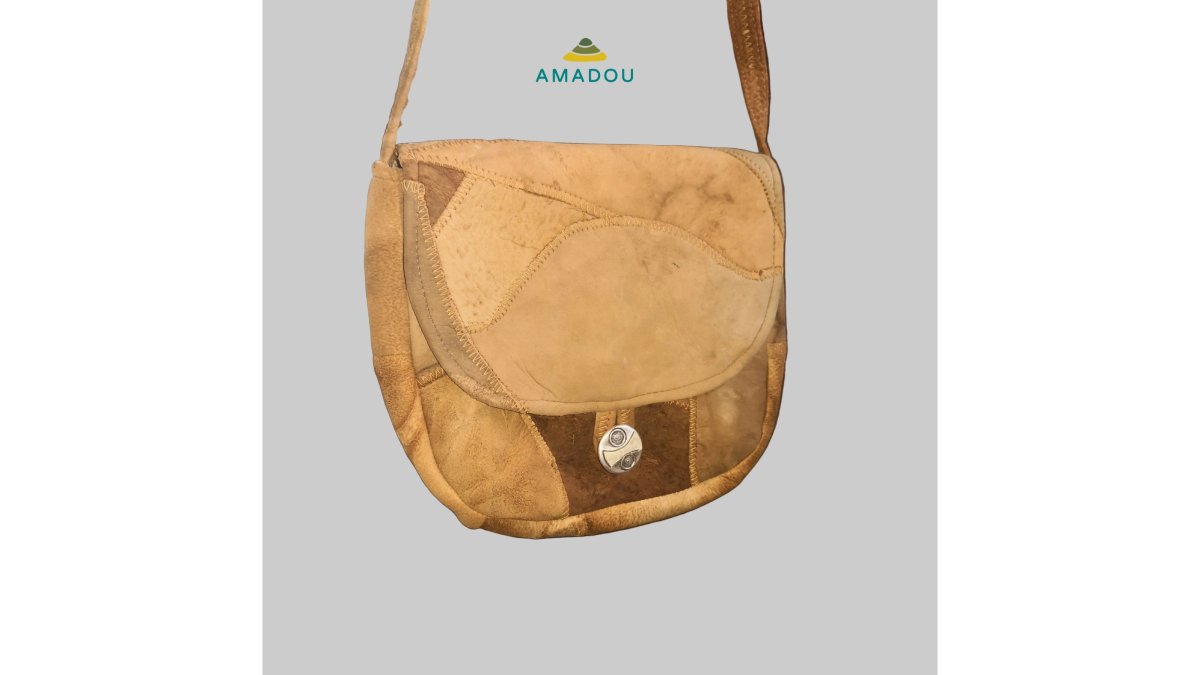
The Amadou bag - patchwork ($169) demonstrates this philosophy. Handcrafted from organic mushroom leather and lined with soft linen, the patchwork design adds individuality while the zero-chemical production process eliminates the toxins common in traditional leather tanning. The material develops unique character as it ages.
For those seeking a smaller option, the Amadou shoulder purse - legacy small ($98) offers the same artisanal construction at a lower price point. Both bags function as everyday carry pieces that handle moisture without synthetic coating.
The trade-off is volume. Amadou won't mass-produce these bags. The brand's commitment to preserving this craft tradition means each bag represents actual artisanal work, not factory efficiency.
Comparison: Price, Performance, and Environmental Trade-Offs
When comparing eco friendly handbags, price alone tells you nothing. You need to factor in durability, material performance, and what you're actually paying per year of use.

| Handbag Type | Starting Price | Material Durability | Best For | Environmental Trade-Off |
|---|---|---|---|---|
| Recycled Polyester | $45-$85 | 3-5 years | Budget-conscious buyers | Microfiber shedding; synthetic reinforcements outlast base material |
| Organic Cotton Blend | $60-$120 | 4-6 years | Minimalist style | Cotton biodegrades; synthetic components persist; inconsistent durability |
| Cork/Rattan | $75-$150 | 5-8 years | Specific aesthetics | Water-resistant; renewable if harvested responsibly; limited style range |
| Upcycled Materials | $80-$200 | 4-7 years | Unique, one-of-a-kind pieces | Prevents waste; consistency varies; durability depends on original material |
| Mushroom Leather (Amadou) | $98-$169 | 8-12+ years | Everyday luxury; long-term investment | Minimal processing; naturally moisture-resistant; develops patina |
Cost per wear changes everything. A $169 mushroom leather bag used daily for 10 years costs $0.05 per day. A $60 recycled polyester bag lasting three years costs $0.05 per day as well.
The environmental trade-off is real. Recycled polyester diverts plastic waste, which matters. Organic cotton blends biodegrade, but the synthetic components don't. Upcycled materials prevent waste, but the original material's durability is unpredictable.
Mushroom leather trades off availability and price for durability and minimal processing. You're paying more upfront, but you're buying a bag that will serve you for a decade without degrading.
Choosing Your Sustainable Handbag: Care, Longevity, and Cost Per Wear
The durability of an eco friendly handbag depends as much on how you care for it as on what it's made from. A $150 bag neglected will fail faster than a $70 bag properly maintained.
Mushroom leather requires minimal care, which is part of its appeal. The material is naturally resistant to moisture, so you don't need waterproofing treatments. Wipe it clean with a soft cloth when needed. If the bag gets wet, let it air dry naturally, don't use heat. Over time, the material develops a patina.
For cotton or plant-based leather bags, avoid prolonged moisture exposure. Store them in a dry environment. If the bag gets wet, dry it thoroughly before storing. Avoid harsh chemicals when cleaning; a gentle soap and water solution works fine.
Recycled polyester bags need protection from direct sunlight. Store them away from windows when not in use. Clean gently.
At end-of-life, consider repair before replacement. A broken handle or torn lining doesn't mean the bag is finished. Quality bags from brands committed to durability are often repairable. Mushroom leather bags can be re-stitched or patched. This extends the bag's lifespan by years.
Cost per wear is the metric that matters. Calculate it honestly: purchase price divided by years of expected use divided by days per year you'll actually carry the bag. A $169 mushroom leather bag carried 250 days per year for 10 years costs $0.07 per wear. A $70 recycled polyester bag carried the same amount for three years costs $0.09 per wear. The sustainable option is also the economical one.
The Amadou shoulder bag - legacy big ($135) is positioned for this exact calculation. It's designed as a long-term investment, not a seasonal trend. The material improves with age.
Choosing a sustainable handbag means accepting that you'll spend more upfront to spend less over time. It means prioritizing durability over novelty, and verifying claims instead of accepting marketing language. The eco friendly handbags that actually deliver are those built to last, made transparently, and designed to improve as they age. Amadou's mushroom leather collection represents this philosophy entirely, an alternative to both traditional leather and synthetic vegan options.
Frequently Asked Questions
What makes a handbag truly eco friendly?
An eco friendly handbag combines three factors: material sourcing (recycled, plant-based, or renewable resources like mushroom leather), ethical production with fair labor practices, and durability that extends its useful life. A bag that lasts five years has lower environmental impact per wear than one replacing it annually, even if the initial material seems less sustainable. Look for transparency in supply chain documentation and third-party certifications like B Corp status.
How do vegan leather handbags compare to traditional leather in durability?
Durability depends on the specific vegan material. Mushroom leather, like Amadou's offerings, develops character and patina over time similar to traditional leather. Recycled polyester and plant-based alternatives vary widely; some perform well for years while others show wear faster. Amadou's handcrafted mushroom bags are designed to age beautifully.
Are sustainable bag materials actually better for the environment?
Not automatically. A Life Cycle Initiative study found that recycled or bio-based single-use bags had lower climate impact than fossil polyethylene, but the comparison depends on the specific material, production method, and product lifespan. A handbag made from recycled materials that falls apart in months has worse overall impact than a durable traditional leather bag kept for decades. Transparent lifecycle data from the brand matters more than material labels alone.
How can I verify that an ethical handbag brand is actually preserving artisanal traditions?
Request specific information: Where are the bags made? Who are the artisans? Ask for documentation of production methods, labor practices, and heritage connections. Amadou, for example, preserves the rare Fomes Fomentarius mushroom crafting tradition through handmade production with zero chemicals. Legitimate heritage brands share detailed sourcing stories, maker information, and often offer direct access to that history. Be skeptical of vague sustainability claims without verifiable supply chain details.
