

Last Updated: November 19, 2026
Quick Summary
Tinder fungus is used for fire-starting, for making amadou felt and leather-like goods, for hats and bags, for drying fishing flies, and for cleaning optical surfaces. The prepared amadou takes a spark from flint and steel and holds it as a glowing ember. It is also crafted into soft, breathable, packable accessories.
- Amadou is made by slicing out the trama, boiling it, pounding it flat, and drying it into felt.
- Simmer the slices for roughly one to two hours, until a slice bends easily and feels rubbery.
- Amadou smolders longer than char cloth, which burns faster.
- Pound and slice in a ventilated space, since fine fungal dust can irritate airways.
- Harvest only from dead or dying wood and leave part of each fruiting body in place.
Table of Contents
- What Tinder Fungus Is and Why It Matters
- Fomes fomentarius identification: Telling It Apart from Lookalikes
- Tinder fungus fire starter: From Spark to Ember
- How Amadou Is Made: Boiling, Pounding and Drying
- Tinder fungus leather: The Vegan Alternative to Felt and Hide
- Tinder fungus hat: Why This Fungal Felt Suits Travel
- Medicinal Claims, Safety and Responsible Harvesting
- Choosing Your Amadou Piece
- Frequently Asked Questions
What Tinder Fungus Is and Why It Matters
Tinder fungus is the fruiting body of Fomes fomentarius, a hoof-shaped polypore that grows on dead and dying birch, beech, and other hardwood trees. For centuries, people have used the fungus for fire-starting, for making amadou felt, and for crafting hats, bags, and other goods.
The fungus has a porous structure and contains phytochemicals, according to a 2021 study of dry and wet extracts published in Molecules.
Here is the short answer: tinder fungus is used for fire-starting, for making amadou felt and leather-like goods, for hats and bags, for drying fishing flies, and for cleaning optical surfaces.
Fomes fomentarius identification: Telling It Apart from Lookalikes
Fomes fomentarius identification starts with shape: a hard, woody, hoof-shaped bracket fungus with concentric ridges and a pale pore surface on the underside. The top is gray to brown and often cracked; the underside stays creamy white and bruises brown when scratched.
Where It Grows and Which Trees It Uses
The fungus is a wood-decaying species, most often found on birch and beech. It fruits on standing dead wood and fallen trunks, and it can persist for years on the same tree. The Florida Fungi and Foray Society's guide to the tinder fungus notes that it grows on hardwood hosts and has been collected for both tinder and fly-drying. A word of caution: the same source notes the fungus is a tree-health concern, and Davey Tree reports there are currently no effective fungicide treatments, so prevention is the practical approach.
Lookalikes and Identification Confidence
Several bracket fungi share the hoof shape. Check the hoof profile, the pore surface, and the hardwood host before you harvest, and if you cannot identify the fungus with confidence, do not use it.
Tinder fungus fire starter: From Spark to Ember
A tinder fungus fire starter works because amadou holds a spark the way a sponge holds water.
The traditional method: cut a slice of the fruiting body, separate the trama from the hard crust, and soften it. Once prepared, a single piece can hold an ember for a long time.
How Amadou Is Made: Boiling, Pounding and Drying
Amadou is made by slicing the trama from the fruiting body, boiling it to soften the fibers, pounding it flat, and drying it into a felt-like sheet. The process turns a hard, woody bracket into a soft, pliable material.
What you need
A fresh, hard, dry bracket is the starting point; soft or crumbling specimens will not yield good felt. You also want a sharp knife with a stiff blade, a pot large enough to submerge the slices, a clean mallet or smooth stone for pounding, a flat board or hard surface, and a press of some kind, heavy books or clamps work. Wood ash is optional and traditional; it raises the pH of the boil and some makers believe it helps loosen the fibers, but plain water works.
Step 1: Slice out the trama
Cut away the hard upper crust and the pore layer underneath, keeping the inner brown trama. Slice the trama into pieces roughly a quarter-inch to half-inch thick. Uniform thickness matters more than exact size, because thin spots over-soften and thick spots stay stiff. Watch out: cutting too close to the crust leaves hard inclusions that will not pound out, and they show up later as lumps in the finished sheet.
Step 2: Boil to soften
Simmer the slices in water, traditionally with a handful of wood ash, for roughly one to two hours, until a slice bends easily and feels rubbery rather than woody. The exact time depends on the thickness and age of the bracket, so test rather than trust the clock. Over-boiling breaks down the fibers and the sheet will tear during pounding; under-boiling leaves a core that resists the mallet.
Step 3: Pound to felt
While the slices are still warm and damp, pound them flat on a hard surface with a mallet or smooth stone. Work from the center outward, flipping the piece as you go, until it flattens into a felt-like sheet and the fibers knit together. This is the step that separates amadou from a boiled mushroom slice: the pounding compresses and interlocks the fibers. Watch out: pounding cold or dried material cracks it, so keep the pieces damp and re-warm them if they cool.
Step 4: Press and dry
Press the pounded sheet flat between boards or under weight and let it dry slowly, away from direct heat. Slow drying keeps it from warping and cupping. Once dry, the sheet can be cut, sewn, or shaped. A well-made sheet is soft, breathable, and naturally absorbent, and it holds a spark the way a sponge holds water.
Troubleshooting the batch
If the sheet tears, the boil went too long or the fibers were too weak. If it stays stiff, the pound was too brief or the slice too thick. If it crumbles, the starting bracket was too far gone. Each failure points back to one step, which is why small test batches beat one big gamble.
Tinder fungus leather: The Vegan Alternative to Felt and Hide
Tinder fungus leather is amadou felt used as a vegan alternative to animal hide. It is soft as velvet, breathable, and develops a patina with use.
We craft our Amadou Legacy Shoulder Bag from this material, and the difference is tactile. If you are unsure how to tell genuine mushroom leather from coated fabric, our guide on how to identify authentic mushroom leather walks through the checks.
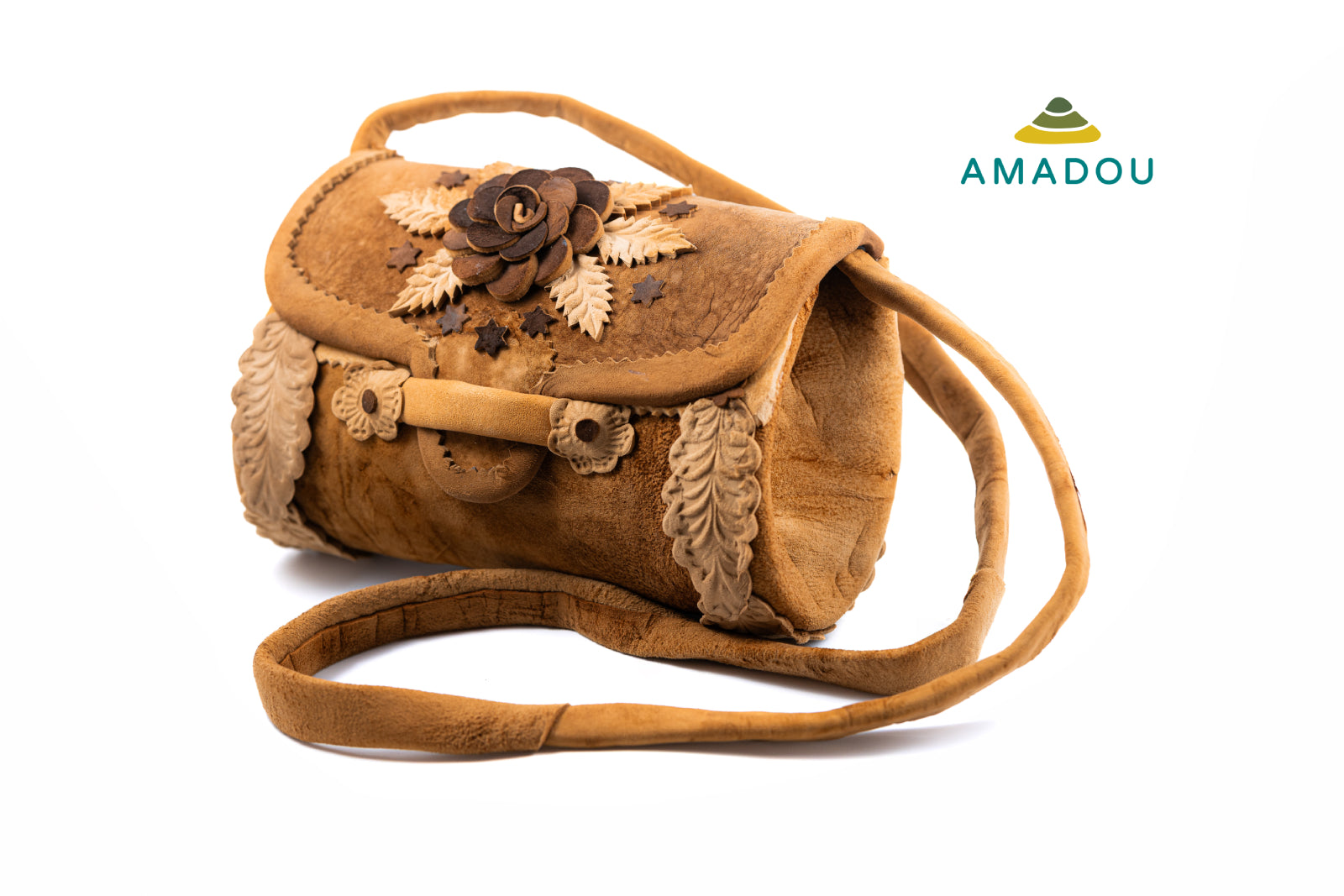
Best for: shoppers who want a vegan material with a real heritage story. Skip if: you need a stiff, structured bag that holds a hard shape.
Tinder fungus hat: Why This Fungal Felt Suits Travel
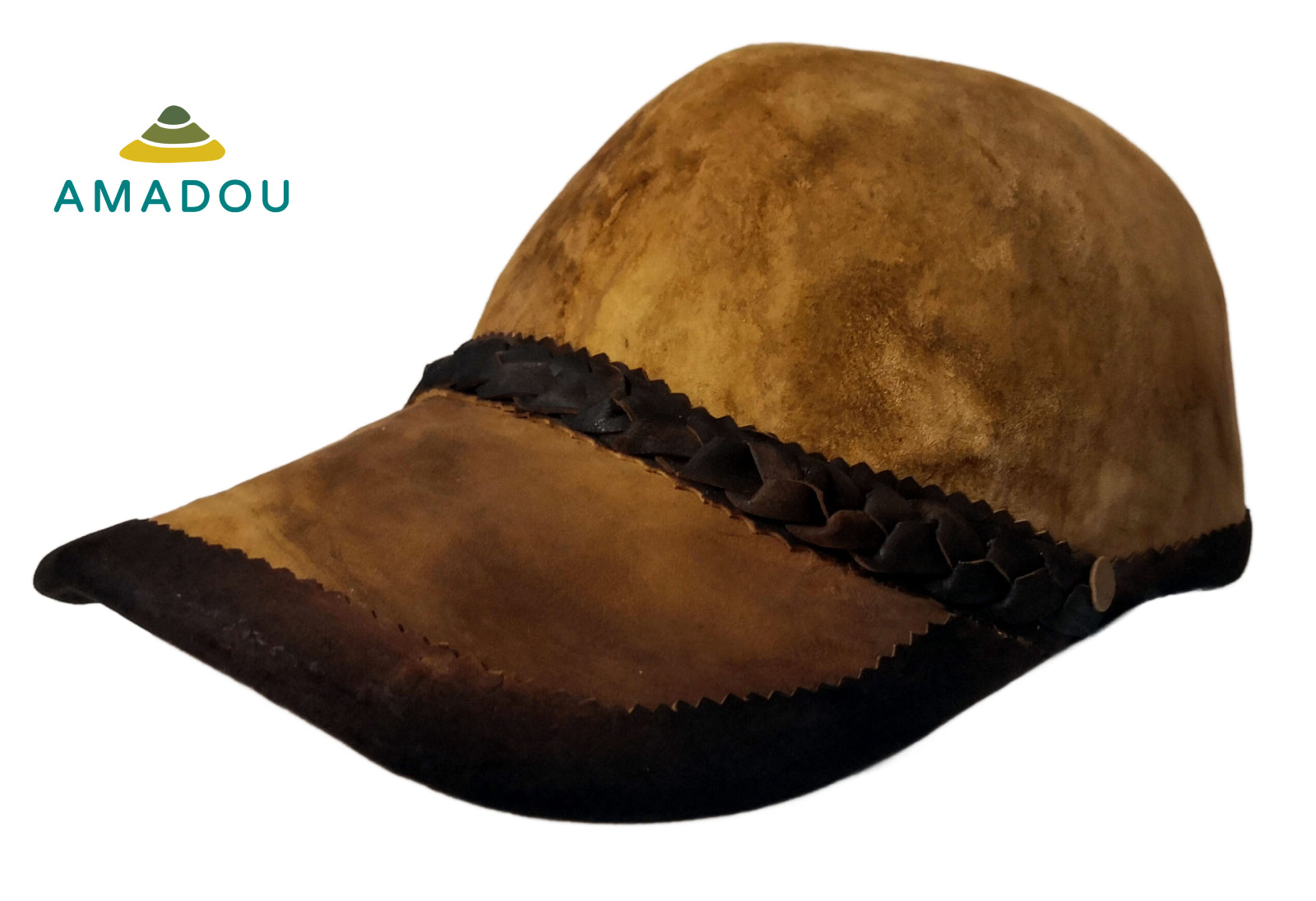
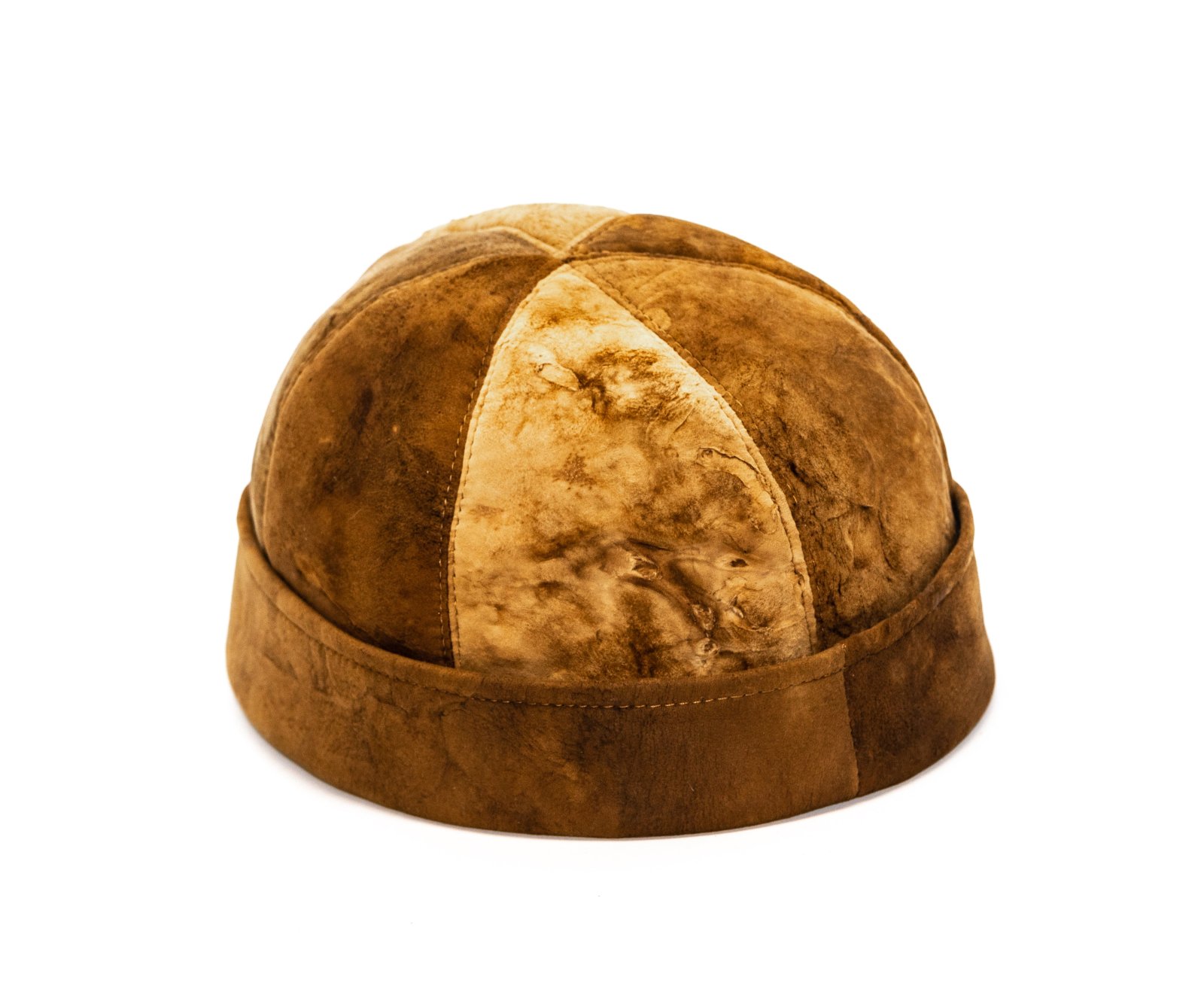
A tinder fungus hat is light, moisture-wicking, and packable, which is why it suits travel better than heavy felt. It keeps you cool in the sun, cozy in a breeze, and it does not turn clammy when you sweat.
Our Amadou Baseball Cap is built for exactly this. It wicks moisture, and it keeps you cool in the sun.
Medicinal Claims, Safety and Responsible Harvesting
Medicinal claims deserve a clear grade, not a sales pitch. A historical review of the therapeutic uses of tinder fungus describes compounds studied for potential antitumor, immunoenhancing, anti-inflammatory, antihyperglycemic, antimicrobial, and antiviral activity. That is laboratory and historical interest, not proof that consuming the fungus treats or prevents disease. Treat traditional wound care and bleeding claims the same way: as tradition, not established medicine.
Grading the medicinal claims
A useful way to read the evidence is in three tiers. Historical and traditional use covers wound packing, styptic poultices, and smoke inhalation for respiratory complaints; these are documented in ethnobotanical accounts but were never tested in controlled trials. Laboratory and animal findings cover the extract studies above; they show activity in petri dishes and mice, which is a long way from a human dose, a safe delivery method, and a measured outcome. Clinical evidence for treating or preventing disease in people is essentially absent. That gap is the honest answer to "does tinder fungus heal wounds?", it may have been used that way, but no modern trial establishes it.
Safety when handling and burning
Handling dry amadou is low-risk for most people, but the dust from pounding and the smoke from burning are not nothing. Fine fungal dust can irritate airways, so pound and slice in a ventilated space and consider a dust mask if you are preparing a large batch.
Contamination is the other practical concern. A fruiting body that is soft, crumbly, waterlogged, or growing on a tree near a roadway, industrial site, or treated lumber is a poor candidate for anything that touches skin or food-adjacent surfaces. The hard, dry, intact brackets are the ones worth preparing.
Responsible harvesting
Harvesting ethics are simple to state and easy to get wrong. Take only from dead or dying wood, never from a living tree you want to keep, and leave at least part of each fruiting body in place so the fungus can continue its ecological role and regrow. On public land, check the specific agency's rules before you cut anything; foraging rules vary by jurisdiction and by land type, and a permit that covers mushrooms in one area may not cover bracket fungi in another.
| Claim | Evidence Grade | What It Means for You |
|---|---|---|
| Fire-starting and ember transport | Well established | Reliable, traditional use |
| Amadou felt, hats, bags | Well established | Durable crafted material |
| Fly drying, screen cleaning | Well established | Absorbent, practical |
| Antimicrobial and anti-inflammatory | Preliminary | Studied in lab and animal models, not clinically proven |
| Wound care and bleeding | Traditional only | Not a substitute for medical care |
| Respiratory or internal use | Not established | No reliable human evidence; avoid |
If you have sourcing or safety questions, you can contact us directly.
Choosing Your Amadou Piece
Choosing an amadou piece comes down to use: a hat for travel and sun, a bag for daily carry, a patch for fishing or optics. Check the thickness, the softness of the trama, and the finish on the edges.
Our 2026 guide to Fomes fomentarius accessories breaks down sizing and care. For anglers, our amadou fly drying patch is made for drying flies.
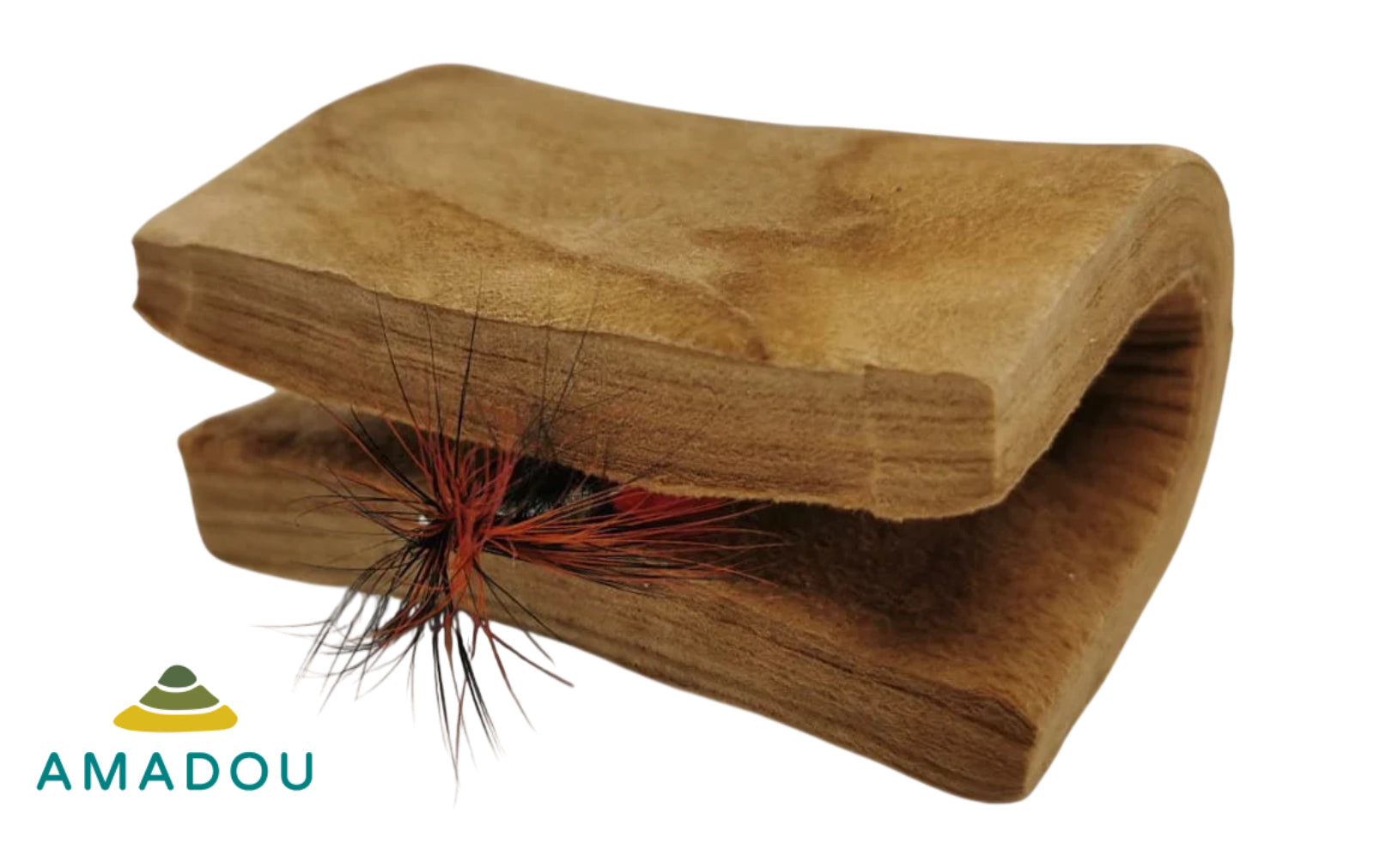
The hardest part of buying amadou is trusting that a mushroom material will last. We build every piece from sustainably harvested Fomes fomentarius trama, cut and finished by hand, with a weightless, moisture-wicking feel that ages beautifully.
Frequently Asked Questions
What is tinder fungus used for?
Tinder fungus (Fomes fomentarius) has three main uses. It works as fire tinder because the processed inner layer, called amadou, catches a spark and holds an ember. It becomes a soft, felt-like material used for hats, vests and bags. Anglers also use amadou patches to dry fishing flies, since the fibers absorb water fast.
How do you use tinder fungus to start a fire?
Cut a slice of the fruiting body, separate the soft trama from the hard crust, and boil it in water with a little wood ash. Pound the softened material flat, then dry it fully. To light it, hold a spark from flint and steel against the fuzzy surface and blow gently until a coal forms. Place that coal in dry grass or birch bark. Amadou holds an ember for a long time, which is why it has been a bushcraft staple for centuries.
Is tinder fungus the same as horse hoof fungus?
Yes. Horse hoof fungus is a common name for Fomes fomentarius, along with tinder polypore and tinder conk. The name comes from the shape: a gray, hoof-like bracket with concentric ridges on the upper surface and a flat, brown pore surface underneath. It grows on dead and dying birch and beech. Horse hoof fungus is the same species used to make amadou, so the names describe one mushroom, not two.
Can tinder fungus be used to treat horse hoof problems?
No. The name refers to the mushroom's resemblance to a horse's hoof, not to any use on horses. Fomes fomentarius is a wood-decaying fungus that grows on trees, and the Davey Tree resource treats it as a tree disease issue with no effective fungicide, so prevention is the focus. Keep it away from horses and consult a veterinarian for any hoof condition rather than applying wild fungus.
