

Table of Contents
- Why authenticity matters in mushroom leather
- The mushroom leather manufacturing process: from mycelium to material
- Sensory test: how to spot authentic mushroom leather by touch and smell
- The burn and water tests for material verification
- Mycelium leather durability: what to expect over time
- Reading labels: Spotting greenwashing in best sustainable alternatives to leather
- The Amadou Standard: A case study in fungal craft
- Frequently Asked Questions
Last Updated: September 6, 2026
Why authenticity matters in mushroom leather
Mushroom leather is a bio-based textile grown from mycelium, the vegetative root structure of fungi. As demand for sustainable materials surges, the term now covers everything from fully fungal materials to polyurethane-coated synthetics with a trace of mushroom powder. This guide from Amadou, crafted from the trama of Fomes Fomentarius, helps you separate genuine fungal craft from clever marketing.
Authentic mushroom leather offers natural moisture-wicking, breathability, and tactile warmth that synthetic imitations cannot replicate. Misidentified products often disappoint buyers who expect fungal durability but receive plastic-backed materials that peel and crack within months.
The difference between a true mycelium product and a bio-attributed synthetic is a fundamental distinction in material composition, environmental impact, and longevity.
The mushroom leather manufacturing process: from mycelium to material
Authentic mushroom leather begins with mycelium cultivated on agricultural byproducts or forestry waste. The fungi consume the substrate, forming a dense mat that processors harvest, compress, and stabilize without toxic chrome tanning.
True fungal materials undergo physical and enzymatic treatment, not heavy chemical bonding. Producers use non-toxic enzymes and mechanical pressing for density, then add natural oils or waxes for flexibility. If a product requires extensive synthetic polymer infusion to hold together, its composition is primarily plastic.
The USDA BioPreferred Program guidelines define bio-based content standards that help consumers verify how much of a product actually derives from biological material. Look for specific percentages rather than vague "eco-friendly" language. The mycelium leather manufacturing process also affects texture: genuine fungal material feels consistent throughout, while coated synthetics reveal a fabric or plastic backing when inspected closely.
Sensory test: how to spot authentic mushroom leather by touch and smell
Genuine mushroom leather feels supple with a subtle, velvety nap similar to fine suede, yet it warms quickly against skin without feeling clammy. Synthetic imitations often feel uniformly smooth, plasticky, or artificially textured with a repeating grain pattern.
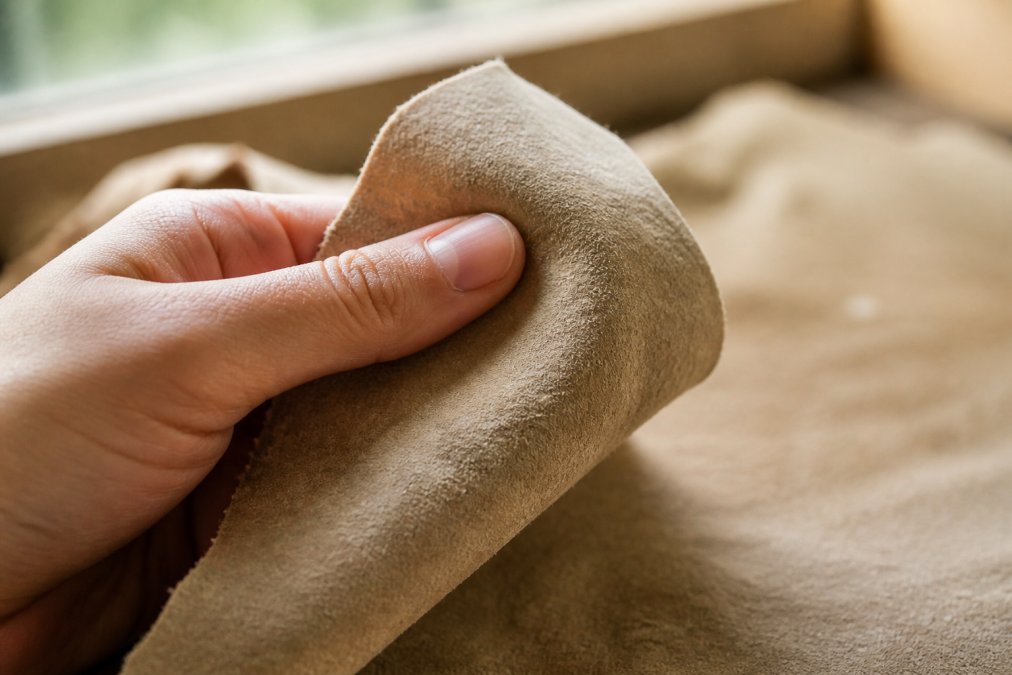
Press your thumb into the material. Authentic mycelium compresses slightly and rebounds slowly, displaying natural variation. Imitation leather bounces back instantly or retains a permanent dent, both signs of polymer construction.
Authentic mushroom leather carries a faint, earthy aroma reminiscent of dried forest floor. This scent fades but never disappears entirely. Synthetic materials smell chemically when new, or smell like nothing at all. If the material smells like plastic, vinyl, or artificial leather fragrance, it is not authentic.
The burn and water tests for material verification
Two hands-on tests can reveal a material's true composition when you have access to a small, inconspicuous sample. They reliably distinguish natural fiber structures from petroleum-based polymer coatings.
The Water Test: Non-Destructive First Check
The water test is safe for most finished goods and requires no sample removal. Place a single drop of room-temperature water on an unobtrusive area and observe the behavior for 30 seconds.
Authentic mycelium leather: The drop will slowly soak into the surface over 10 to 20 seconds, darkening the material slightly. The water spreads in an irregular, organic pattern rather than a perfect circle. After drying, a faint watermark may remain temporarily but should fade as the material equalizes moisture.
Synthetic polyurethane (PU) or coated materials: Water beads on the surface and either sits unchanged for minutes or rolls off entirely. Some coated synthetics absorb water unevenly through micro-cracks, creating a spotted, blotchy appearance that signals a failing polymer topcoat.
Bicast or heavily finished leather: Water sits on the surface like a synthetic because of the plastic sealant layer. This result alone does not confirm fungal origin, but it does rule out an unfinished, naturally porous mycelium textile.
The Burn Test: Definitive Fiber Analysis
The burn test is the most reliable home method for identifying material families, but it is destructive. Perform it only on a small cutting from a hidden seam allowance, an interior pocket edge, or a loose thread sample provided by the seller.
Procedure:
- Cut a sample no larger than 1/4 inch by 1 inch.
- Hold the sample with metal tweezers over a fireproof surface like a ceramic plate or sink.
- Use a lighter or candle flame, applying the flame to one end for 3 to 5 seconds.
- Observe the burn behavior, smoke color, and residue. Note the smell immediately after extinguishing.
Natural mycelium and plant-fiber materials: The sample chars and smolders like wood or cotton. It does not melt or drip. The flame may self-extinguish when removed. The residue is a soft gray ash that crumbles between your fingers. The smell is reminiscent of burning leaves, paper, or toast.
Synthetic leathers (PU, PVC, polyester-based): The sample shrinks away from the flame, melts, and drips burning polymer. It continues burning after the flame is removed. The residue is a hard, dark bead that does not crumble. The smell is acrid, chemical, and distinctly plastic.
Animal leather (chrome-tanned): The sample curls, chars, and emits a smell like burning hair or protein. It does not melt. The residue is brittle ash, but the odor clearly distinguishes it from plant-based materials.
Interpreting Mixed Results
Many commercial "mushroom leather" products combine a thin fungal layer with a synthetic backing or polymer binder. A mixed burn result, partial charring with some melting, indicates a hybrid construction. This is not necessarily deceptive, but it means structural performance depends on the synthetic component, not the fungus alone.
Limitations of home testing
Neither test identifies the specific fungal species or verifies the absence of chemical crosslinkers. A material that passes both tests could still be a plant-based alternative like cactus or apple leather. For species-level verification, you need laboratory analysis or transparent manufacturer documentation.
Mycelium leather durability: what to expect over time
Mycelium leather durability depends heavily on construction quality and care. Well-made mushroom leather, properly stabilized and finished, withstands years of regular use. The Fomes Fomentarius trama used by Amadou has a dense, resilient structure.
Authentic mushroom leather develops a patina similar to quality leather: it softens with use, acquires subtle creases, and lightens at stress points. This aging process is a sign of authenticity. Synthetic materials typically crack, peel, or develop sticky surfaces as polymers break down.
Genuine fungal material resists tearing but yields gently under stress. If a product feels stiff and unyielding, it likely contains heavy binders. If it feels flimsy, the mycelium layer may be too thin, with synthetic reinforcement doing the structural work.
Reading labels: Spotting greenwashing in best sustainable alternatives to leather
The alternative materials market is crowded with vague environmental claims. The Federal Trade Commission Green Guides prohibit unqualified "eco-friendly" or "sustainable" claims, but enforcement is reactive. Your best defense is reading the fine print on a product tag the way a materials engineer would.
The Bio-Based Content Percentage: the single most important number
The USDA BioPreferred Program maintains a certification label for products containing a verified percentage of bio-based carbon. This label appears on qualifying products and displays a specific number, for example, "USDA Certified BioBased Product 67%." That number tells you what fraction of the material's carbon content derives from biological sources rather than petroleum.
What to look for: A specific percentage between 50% and 100%. Genuine mycelium materials typically test above 70% bio-based carbon. Products below 40% are primarily synthetic, regardless of marketing language.
What to be wary of: The phrase "bio-attributed" without a percentage. This term can mean a brand purchased renewable energy credits or bio-feedstock credits for a portion of their plastic production, without any actual fungal material in your product. A product can be 100% "bio-attributed" and still be entirely polyurethane.
Decoding Material Composition Disclosures
Regulations require textile products to list fiber content, but alternative leathers often fall into a regulatory gray area. Look for these disclosures:
- Fungal species named: Genuine manufacturers name their organism, Fomes fomentarius, Ganoderma lucidum, or a proprietary strain. Vague terms like "mycelium blend" without a species name suggest a minor ingredient.
- Layer construction: Honest labels disclose whether the product is "100% mycelium" or "mycelium top layer with polyester backing." A hybrid construction is not inherently bad, but it must be disclosed.
- Stabilization method: Look for terms like "plant-based crosslinker," "natural oils and waxes," or "non-toxic binder." Heavy reliance on "polyurethane coating" or "acrylic finish" means the fungal content is decorative, not structural.
Certification and labeling landscape: what exists and what does not
As of 2026, there is no single federal certification specifically for mushroom leather. The USDA BioPreferred label verifies bio-based content but not fungal origin. The Textile Exchange Material Change Index tracks corporate sustainability reporting but does not certify individual products. The Global Organic Textile Standard (GOTS) applies to natural fibers but has not yet published a specific standard for mycelium textiles.
This regulatory gap means consumers must triangulate multiple signals. A product that carries a USDA BioPreferred label, names its fungal species, discloses its full layer construction, and provides third-party test results for bio-based carbon content demonstrates transparency that greenwashers rarely match.
Red flag language patterns
Watch for these specific phrases that signal marketing over substance:
- "Contains mushroom", This can mean mushroom powder mixed into a plastic base. The fungus is an ingredient, not the material.
- "Mycelium-infused", Similar problem. Infusion suggests addition, not construction.
- "Plant-based leather", Legally accurate but unhelpful. Polyurethane is derived from petroleum, but some brands use the term loosely.
- "Vegan leather", This term includes PVC and PU, both petroleum products. Vegan refers to animal content, not environmental impact.
- "Carbon-neutral" without methodology, Offsetting claims require specific accounting. No methodology disclosure means no verifiable claim.
The Verification Checklist
Before purchasing, request the following from the seller in writing:
- What percentage of the product's total weight is fungal biomass?
- What is the bio-based carbon content percentage, and which lab tested it?
- What is the exact layer construction (top coat, fungal layer, backing)?
- Which fungal species was used, and where was it cultivated?
- What binders, crosslinkers, or coatings were used, and are they disclosed by name?
The emerging labeling standard
Industry groups are working toward a voluntary "mycelium content" label similar to recycled-content labels in textiles. Until that standard launches, the USDA BioPreferred percentage remains your most reliable single data point. Combine it with species disclosure and layer construction information to identify authentic mushroom leather with confidence.
The Amadou Standard: A case study in fungal craft
Amadou represents the traditional end of the mushroom leather spectrum, using the trama of Fomes Fomentarius processed through methods refined over centuries. Unlike mass-produced mycelium materials, amadou is harvested, peeled, and softened through mechanical work, with zero chemicals added. Fully handcrafted pieces like the Amadou bag - patchwork demonstrate what pure fungal material can achieve: durable and breathable.
When you hold an Amadou product, you feel the natural variation of the fungus, the subtle irregularities that no synthetic process replicates. The material is weightless yet substantial, and it develops character with age rather than deteriorating. The Amadou docker cap adjusts to the wearer's head while maintaining its shape.

For travelers and outdoor enthusiasts, the Transylvanian forest charm / Amadou Bracelet offers a compact introduction to genuine fungal material. Its moisture-wicking properties come from the material itself.

Identification Method |
What to Look For |
What It Reveals |
|---|---|---|
Touch test |
Supple, velvety nap with natural variation |
Material composition and processing |
Smell test |
Faint earthy aroma, no chemical scent |
Absence of heavy synthetic coatings |
Water test |
Slow absorption without beading |
Natural fiber structure vs. plastic coating |
Label review |
Specific bio-based percentages and species names |
Transparency and manufacturing honesty |
Aging observation |
Gradual patina and softening |
Quality of stabilization and construction |
Authentic mushroom leather connects you to a material tradition that predates industrial textiles. By learning to identify genuine fungal materials, you support honest craftsmanship and avoid contributing to greenwashing. The Amadou snippets / insect-repellent organic collection offers another way to experience this material in its most honest form.
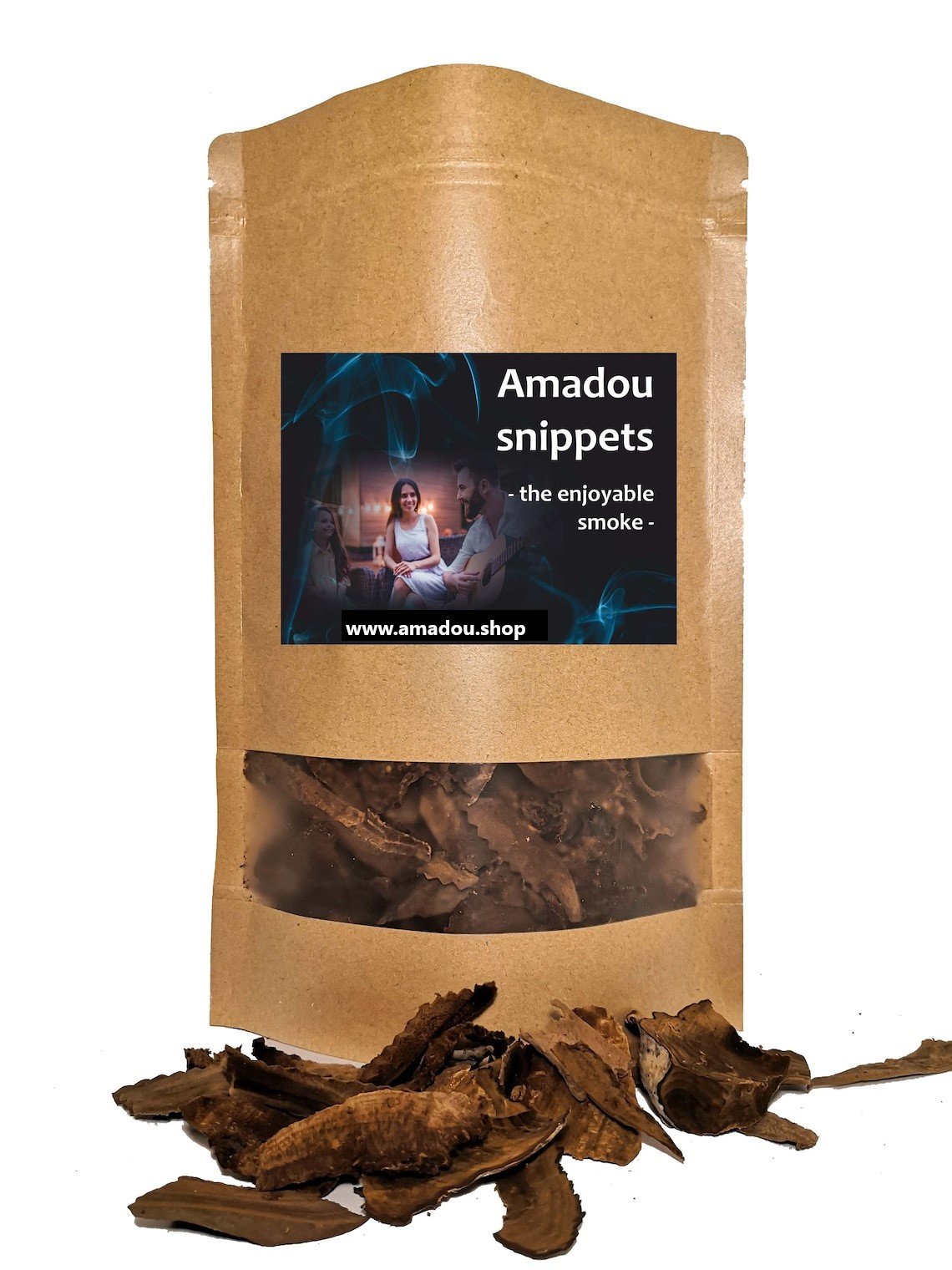
Authentic mushroom leather rewards careful inspection. The material's natural variations, earthy scent, and gradual aging tell a story that synthetic imitations cannot replicate. Amadou crafts accessories from the trama of Fomes Fomentarius using traditional methods with zero chemicals. Experience the difference of genuine fungal material. Shop the amadou collection and feel the texture of true sustainability.
Frequently Asked Questions
Is mushroom leather real leather?
No, mushroom leather is not animal leather. It is a vegan alternative crafted from mycelium, the root structure of fungi. Unlike synthetic faux leather made from polyurethane, authentic mushroom leather is a bio-based material. It does not involve a hide or the traditional tanning process used for animal skins, but it offers a similar tactile experience and durability when processed correctly.
How can I distinguish between genuine mycelium leather and plastic-based vegan leather?
Genuine mycelium leather feels warm and soft like suede, with a slight natural variation in texture and color. Plastic-based vegan leather (polyurethane) often feels cool, smooth, and perfectly uniform. A water drop test helps: plastic-based materials repel water, while authentic mushroom leather is naturally absorbent. The scent also differs; real mycelium has an earthy, neutral smell, whereas synthetic materials often have a chemical or plastic odor.
Does authentic mushroom leather have a distinct scent or texture?
Authentic mushroom leather has a soft, velvety, and suede-like texture that feels warm to the touch. It is not perfectly uniform like synthetic materials; you may notice subtle variations in thickness or fiber density. Its scent is mild and earthy, similar to dry wood or forest floor. A strong chemical or plastic smell indicates a synthetic coating or a polyurethane-based faux leather.
Is mushroom leather more expensive than traditional animal leather?
The manufacturing process for mushroom leather can be labor-intensive and requires specialized skill to harvest and process the mycelium without synthetic binders. For example, handcrafted items like those from Amadou are priced due to the artisan work and the sustainable, low-chemical processing involved.